
Integrative Manual Therapy
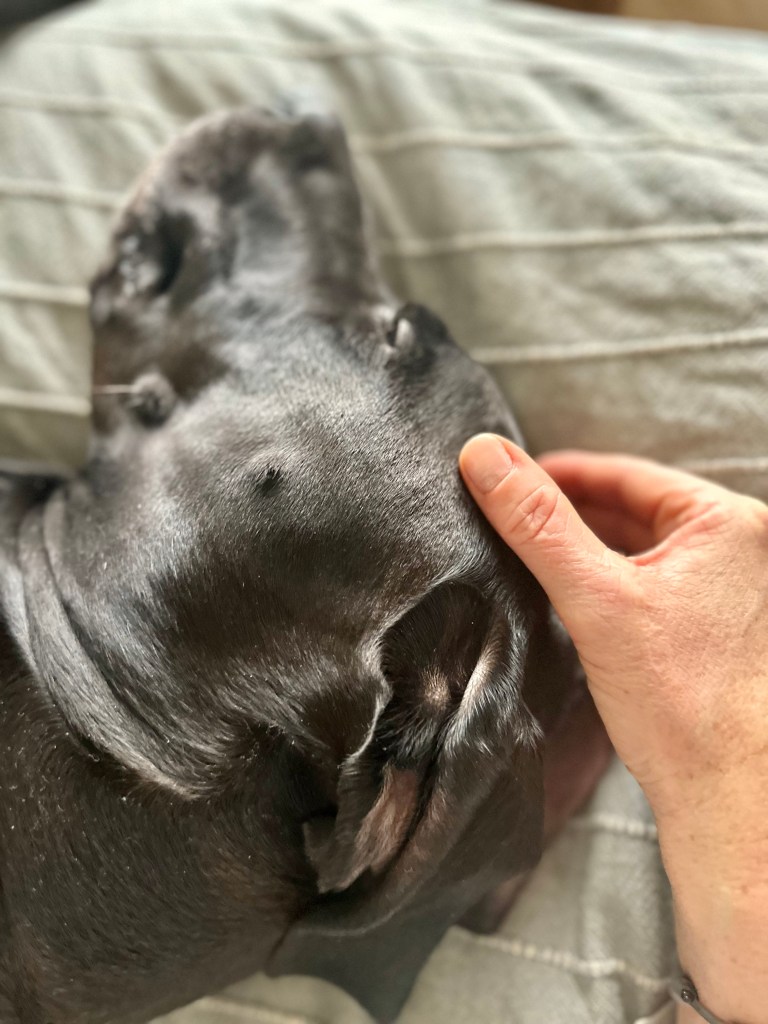
Changes in movement, posture or behaviour often reflect how different structures, the nervous system and internal processes interact within the body.
Whether related to tension, compensation, degenerative changes or altered fluid dynamics, these patterns require a precise and integrative approach.
Integrative manual therapy is the method I have developed, combining osteopathic, physiotherapeutic and chiropractic techniques within the same session, guided by what the body presents.
Situations I often work with
Mobility and movement
– Changes in gait or coordination
– Stiffness or reduced range of motion
– Hesitation when jumping or moving
Posture and structure
– Asymmetry
– Altered posture
– Uneven weight distribution
Tension patterns
– Muscular tension
– Compensatory movement patterns
– Localised restrictions
Nervous system and coordination
– Reduced coordination
– Instability or imbalance
– Altered or delayed responses
– Difficulty with body awareness
Performance and movement quality
– Reduced performance
– Resistance or loss of fluidity
– Difficulty in training progression
Recovery after effort
– Reduced ease after activity
– Slower recovery
– Signs of fatigue and overload
Fluid dynamics and tissue quality
– Tendency to swelling or congestion
– Reduced tissue elasticity or recovery
Degenerative and progressive changes
– Arthritis or joint degeneration
– Progressive stiffness or reduced function
Prevention and check-ups
– Regular functional assessment
– Early identification of tension patterns
– Support for long-term mobility and balance
Sensitivity and recovery
– After strain, injury or surgery
– Protective movement patterns
– Reduced ease in daily movement
Subtle and functional changes
– Behavioural changes
– Reduced engagement
– General imbalance
– Digestive, skin or respiratory sensitivity
Techniques integrated within the sessions
Different manual approaches are selected and combined according to what the body presents.
Osteopathic approaches
– Myofascial techniques
– Craniosacral techniques
– Visceral techniques
– Parietal techniques
Physiotherapeutic elements
– Active and passive mobilisation
– Muscle activation and release
– Neuromuscular re-education
– Proprioceptive training
Chiropractic techniques
– Specific joint adjustments
– Support of spinal mobility and alignment
Structures and systems involved
– Spine and joints
– Muscles, tendons, ligaments and fascia
– Nervous system
– Organs and their functional relationships
– Circulatory and lymphatic dynamics
These elements are addressed within one coherent session, according to the specific needs of the animal.
How a session is structured
Observation
Movement, posture and behaviour are observed from the first moment.
Functional assessment
Joints, spine, soft tissues and organs are assessed, including the relationships between structures and systems.
Identification of patterns
Areas of restriction, compensation and coordination are identified.
Manual work
Techniques are selected and adapted to what the animal presents.
Integration
Changes are integrated within the overall function of the body.
Follow-up
When relevant, guidance may be given for complementary support or next steps.
The aim is to reduce discomfort, restore fluidity within the body and support its natural capacity for self-regulation.
Integrative manual therapy can be used as a primary approach or combined with systemic regulation, depending on the needs of the animal.
 Physiothérapie, ostéopathie, chiropratique & naturopathie pour animaux